About Time: Florida Moves to End Capture of Endangered Marine Wildlife for Aquariums
TALLAHASSEE — After years of criticism from scientists, conservationists, and the general public, Florida lawmakers are finally moving to stop a practice many say never should have been allowed in the first place: capturing endangered marine wildlife from state waters for aquarium display.
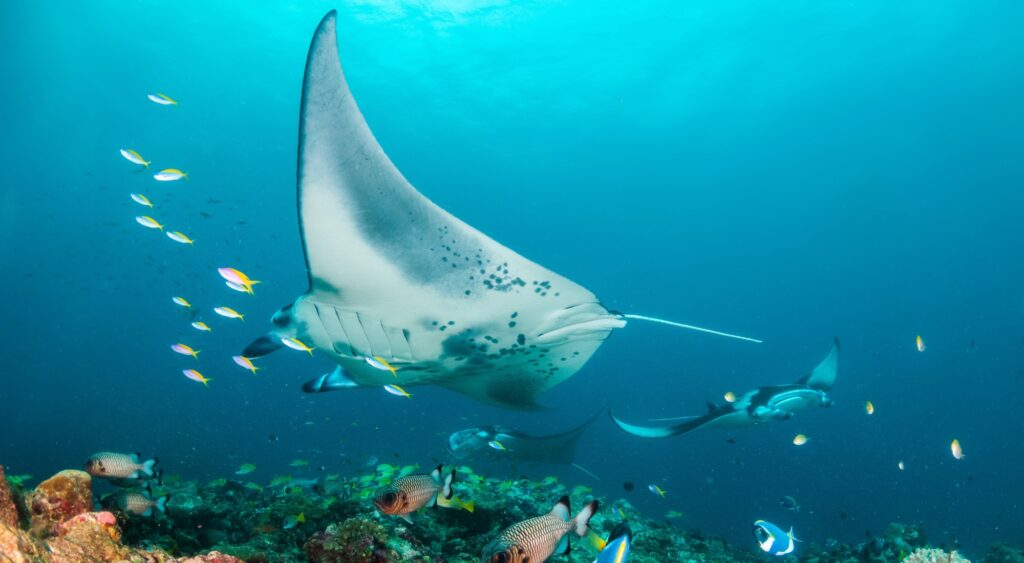
A new proposal, dubbed the MANTA Protection Act, would ban the live capture of endangered and threatened marine species — including manta rays — for use in aquariums and entertainment facilities. Supporters say the bill is long overdue and brings Florida closer in line with modern conservation standards.
Florida’s coastal waters are vital habitats for manta rays and other large marine animals that migrate, feed, and reproduce in the region. Experts have repeatedly warned that removing these long-lived species from the wild harms ecosystems and does little to advance legitimate education or conservation.
The bill comes after growing outrage over the state’s long-standing permit system, which allowed protected marine animals to be taken under so-called educational or exhibition licenses. Critics argue those permits became loopholes, enabling rare animals to be captured and shipped off for display — sometimes overseas — with minimal oversight and questionable conservation benefit.
Public pressure intensified following a high-profile capture of a giant manta ray from Florida waters, an incident that many viewed as a breaking point. Soon after, state wildlife officials temporarily halted the issuance of new licenses for capturing certain sharks and rays, signaling that even regulators recognized the system was flawed.
Now, lawmakers are attempting to turn that temporary pause into permanent protection.
Environmental advocates say the legislation reflects a broader shift in public attitudes, noting that aquariums no longer need to rely on wild captures to educate visitors. Advances in technology, captive breeding programs, and rehabilitation-focused exhibits offer alternatives that don’t involve removing endangered animals from their natural habitats.
The bill has drawn bipartisan support and is moving through the legislative process, where it must still clear committee hearings and full votes in both chambers.
If passed, the measure would finally close the door on a controversial practice that many argue should have ended years ago — signaling that Florida is ready to prioritize conservation over spectacle.
For critics of marine wildlife capture, the sentiment surrounding the bill is simple: about time.