By daybreak, the evidence is already there.
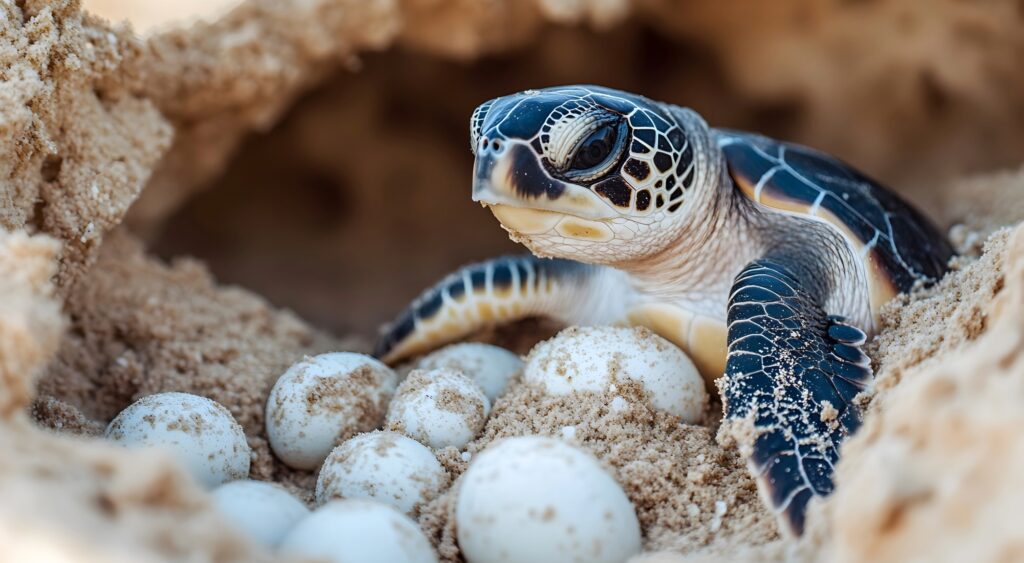
Long tracks in the sand. Freshly covered nests above the tide line. And, if you are lucky enough to witness it, tiny hatchlings scrambling towards the Gulf under the cover of darkness.
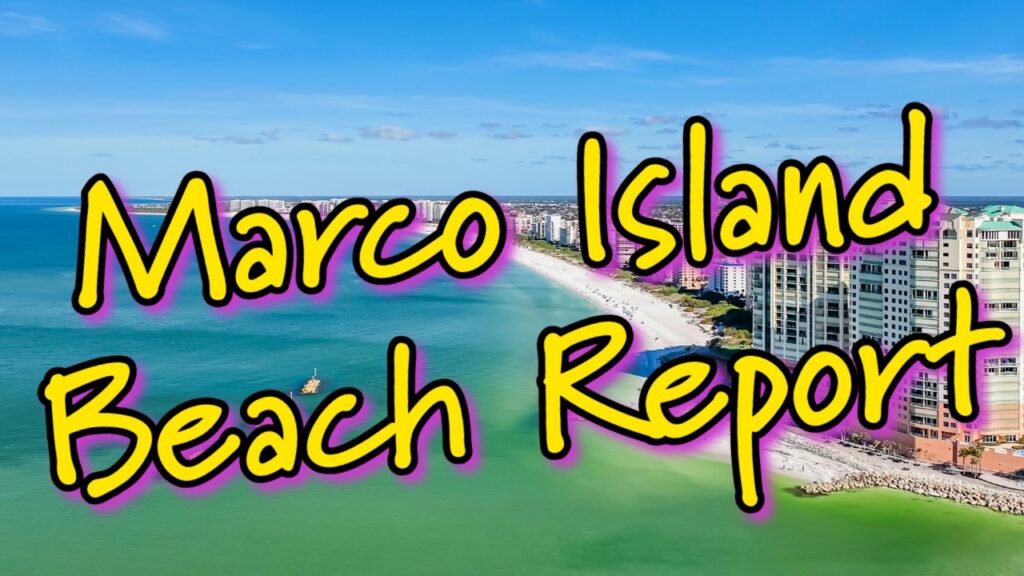
On Florida’s Gulf Coast, Marco Island has become one of the state’s most important battlegrounds for the survival of sea turtles.
Each year, hundreds of loggerhead turtles emerge from the water at night to lay their eggs on the island’s beaches — returning to the same shoreline where many of them were born decades earlier.
The nesting season, now underway, runs from May through October.
Wildlife experts say the biggest threat is no longer nature itself, but humans.
Artificial lighting from beachfront homes, hotels and streets can disorient hatchlings, drawing them away from the moonlit reflection of the Gulf and inland towards danger.
Conservation teams patrol Marco Island’s beaches before sunrise, marking nests with stakes and tape while urging residents and tourists to follow strict rules designed to protect the endangered species.
Beachgoers are being told to remove chairs and toys overnight, fill in holes dug in the sand, and switch off lights visible from the beach after dark.
For many visitors, seeing turtle tracks at sunrise is a memorable holiday moment.
For conservationists, it is a sign the coastline is still alive.
And on Marco Island, every successful hatchling reaching the Gulf is regarded as a small but significant victory.