Silent invader in the swamp: spectacled caiman spreads across South Florida wetlands
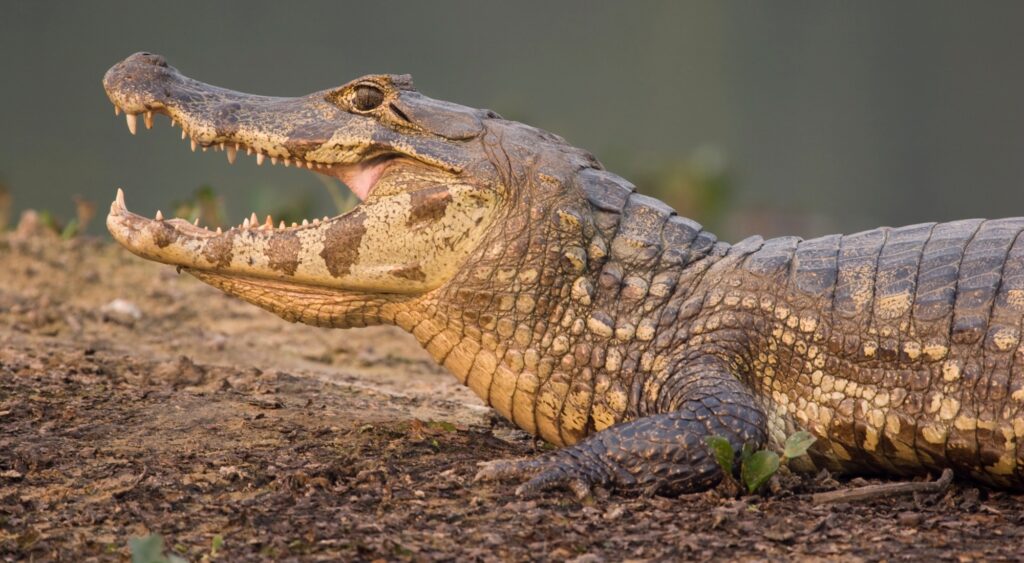
A new study from the University of Florida is raising fresh concerns about an overlooked reptile quietly expanding through South Florida’s waterways — the spectacled caiman.
Often mistaken at first glance for a young alligator or crocodile, the caiman is now firmly established in canals, marshes and wetlands across the region, including areas near Everglades National Park.
Named for the distinctive bony ridge between its eyes — resembling a pair of spectacles — the species is smaller than its native cousins, typically growing up to 6–8 feet. It also carries a broad snout, heavy armour-like scales, and a banded tail that can make it difficult to distinguish from juvenile alligators in murky water.
Originally native to Central and South America, spectacled caimans have been present in Florida since the 1960s and were considered established by around 1980 after evidence of breeding populations emerged. Since then, sightings have spread across South Florida, with reports stretching as far north as Port St. Lucie.
Researchers say the UF review of more than 70 years of data shows the species is more adaptable — and more widespread — than previously thought. It thrives in both natural wetlands and human-made canal systems, feeding opportunistically on fish, birds, reptiles and small mammals.
That broad diet raises ecological concerns. Scientists warn the caiman could compete with native apex predators, including American alligators and crocodiles, potentially reshaping food chains in already fragile ecosystems.
There are also concerns about the future of Everglades restoration efforts. Improved freshwater flow under long-term restoration plans could unintentionally expand suitable habitat for the species, further aiding its spread.
What remains unclear, researchers say, is the full ecological impact — and whether this quiet newcomer is becoming a long-term fixture in Florida’s evolving wetland landscape.