



🦎 Bahamas Lizard Thrives in Southwest Florida
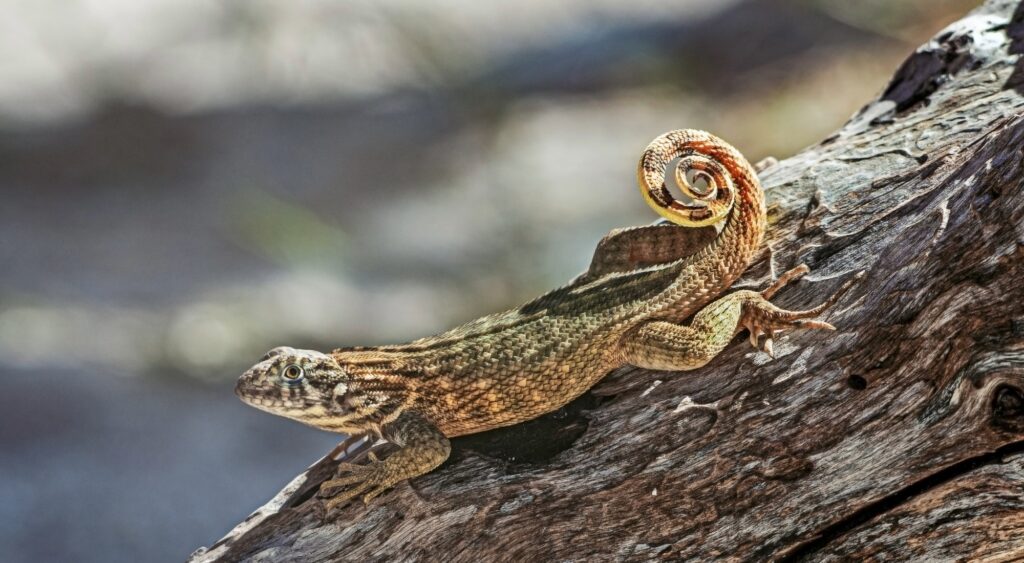
The Northern Curly-tailed Lizard was intentionally introduced to Florida decades ago to help control agricultural pests. Instead, it adapted extremely well and has spread throughout South Florida, including neighborhoods, parks, beaches, and parking lots.
📍 Where You’ll See Them
Marco Island
Naples
Bonita Springs
Fort Myers
Miami-Dade County
Broward County
Palm Beach County
They love:
☀️ Sunny sidewalks
🪨 Rock walls
🌴 Landscaped yards
🚗 Parking lots
🏖️ Beach access paths
🍽️ What They Eat
Crickets
Cockroaches
Beetles
Spiders
Small frogs
Small native lizards
Occasionally fruit and flowers
⚠️ Why They’re Considered Invasive
While they eat pest insects, they also prey on Florida’s native reptiles and compete with native species for food and habitat. Their growing populations may reduce numbers of native anoles and other small wildlife.
😮 Fun Facts
Their tail curls upward when alert—hence the name.
They can reach about 10–15 inches (25–38 cm) in length.
They’re active during the hottest part of the day.
They can sprint surprisingly fast and often stop suddenly before darting away again.
🚫 Are They Dangerous?
No. They are not venomous and pose little threat to people or pets. If cornered, they may bite, but bites are uncommon and generally minor.
🌴 What to Do If You See One
Seeing a curly-tailed lizard in Southwest Florida is now quite common. There’s no need to report individual sightings unless requested by local wildlife officials as part of a monitoring program. Avoid feeding them, as that can encourage larger populations around homes.
These lizards have become one of the most recognizable non-native reptiles in Southwest Florida and are now considered a permanent part of the region’s urban wildlife.