America’s Cold Spots This Week: The 10 Coldest Places in the Lower 48




America’s Cold Spots This Week: The 10 Coldest Places in the Lower 48
Wednesday, November 25, 2026
❄️ America's Cold Spots This Week
The 10 Coldest Places in the Lower 48
Wednesday, November 25, 2026
🇺🇸 America's Extreme Weather Report
By Paul Harrison
❄️ America's Big Freeze
While Southwest Florida residents prepare for Thanksgiving, some locations across the western United States are experiencing temperatures more commonly associated with the depths of winter.
Peter Sinks, Utah, recorded a remarkable −19°F (−28.3°C) on November 24, according to the National Weather Service's Weather Prediction Center.
A weather observation site approximately 32 miles west-southwest of Bynum, Montana, also reported −3°F (−19.4°C) on November 23. Both readings illustrate how dramatically temperatures can vary across the country.
🏆 Verified Extreme Cold Readings
| Location | State | Low °F | Low °C | Date |
|---|---|---|---|---|
| 🥶 Peter Sinks | Utah | −19°F | −28.3°C | Nov 24 |
| ❄️ 32 miles WSW of Bynum | Montana | −3°F | −19.4°C | Nov 23 |
Source: NOAA Weather Prediction Center. Preliminary daily national minimum temperature observations, subject to revision.
📊 How Far Below Freezing?
Peter Sinks, Utah — 51°F below freezingBars represent the number of Fahrenheit degrees below the freezing point of 32°F (0°C). Longer bars indicate colder conditions.
🗺️ 10 American Cold Spots to Watch
| Location | State | Temperature / Status | Cold Weather Factor |
|---|---|---|---|
| Peter Sinks | Utah | −19°F / −28.3°C | Cold-air pooling |
| Near Bynum | Montana | −3°F / −19.4°C | Rocky Mountain terrain |
| West Yellowstone | Montana | Monitoring | High elevation |
| Fraser | Colorado | Monitoring | Mountain valley inversions |
| Gunnison | Colorado | Monitoring | Cold valley conditions |
| Stanley | Idaho | Monitoring | Mountain basin |
| International Falls | Minnesota | Monitoring | Northern continental climate |
| Embarrass | Minnesota | Monitoring | Cold-air drainage |
| Grand Forks | North Dakota | Monitoring | Northern Plains exposure |
| Mount Washington | New Hampshire | Monitoring | High elevation and strong winds |
🏔️ Why Does Peter Sinks Get So Cold?
Peter Sinks is a natural mountain depression in northern Utah. During clear, calm nights, dense cold air can descend into the basin and become trapped.
This process, known as cold-air pooling, can produce exceptionally low temperatures even when surrounding communities are considerably warmer.
High elevations, clear skies, light winds and snow-covered ground can all contribute to intense overnight cooling.
⚠️ Cold Weather Hazards
Risk of hypothermia and frostbite.
Potentially dangerous driving conditions.
Cold temperatures can weaken batteries.
Exposed plumbing may require protection.
These are general freezing-weather hazards, not a list of active weather warnings. Check your local National Weather Service forecast before travelling.
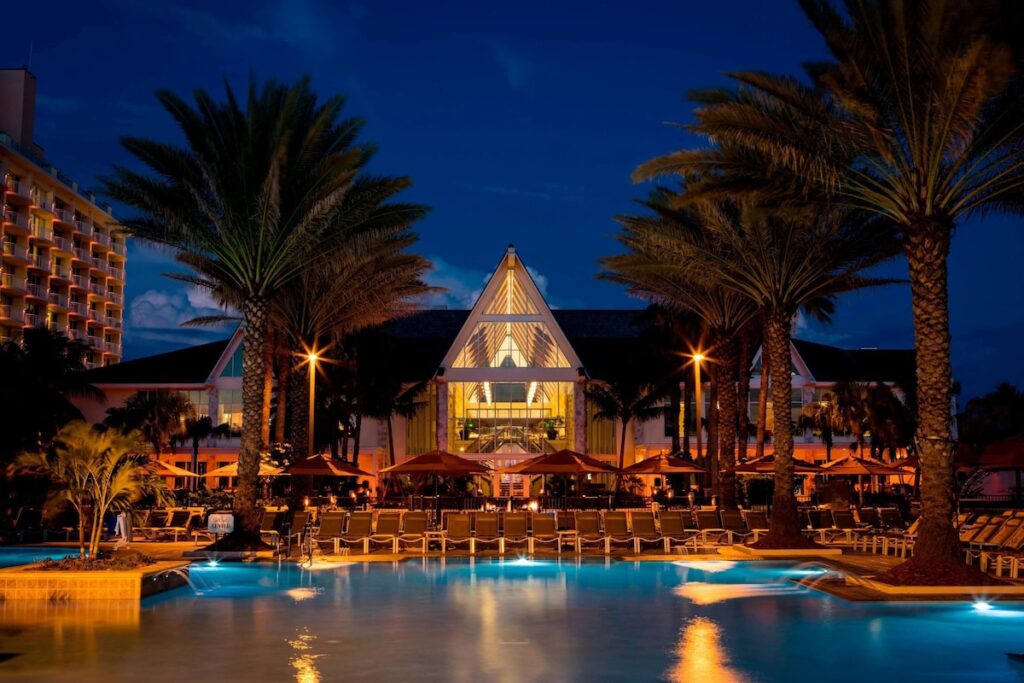
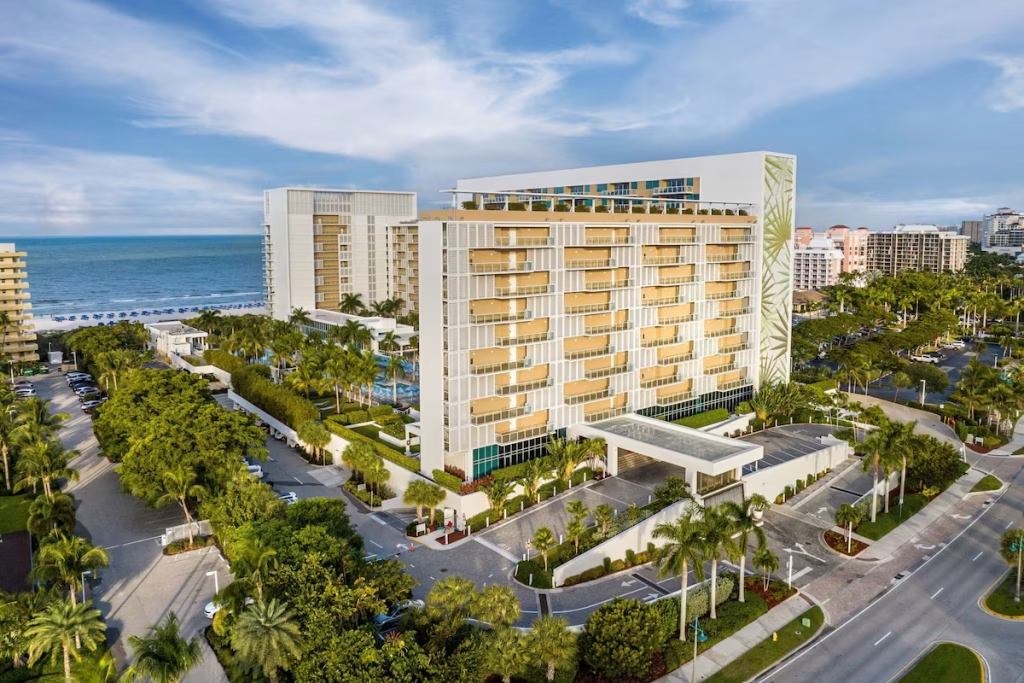
🌴 Meanwhile, Back on Marco Island...
While residents in Utah and Montana contemplate thermal underwear, frozen windscreens and whether it is worth leaving the house, Southwest Florida is enjoying its subtropical climate.
That's the difference between worrying about frozen pipes and worrying about whether you have remembered your sunscreen.
The Marco Island temperature is an illustrative comparison, not a verified November 25 observation.
🔭 Looking Ahead
As meteorological winter approaches on December 1, northern states and high-elevation communities become increasingly susceptible to overnight freezes and winter weather.
Travellers heading north for Thanksgiving should monitor local forecasts for snow, freezing rain, icy roads and changing temperatures.
NOAA's broader winter outlook favors warmer than average seasonal temperatures across many northern and eastern areas. However, a warmer seasonal outlook does not rule out individual periods of severe cold.
📚 Official Weather Sources
🔗 NOAA Weather Prediction Center — National Highs and Lows
🔗 NOAA National Centers for Environmental Information
🔗 NOAA Climate Prediction Center
🔗 NOAA Winter 2026–2027 Outlook
📋 About This Report
This weekly feature covers the 48 contiguous United States, excluding Alaska and Hawaii. Verified temperatures are preliminary observations rather than wind-chill values. This edition is a partial survey and does not establish a definitive national top ten. Temperatures may be revised as additional observations become available.