‘Doomsday Glacier’ Warning Raises Questions for Southwest Florida’s Coastline
A glacier thousands of miles away in Antarctica is once again making headlines — and prompting questions about what it could mean for some of Florida’s most valuable coastal real estate.
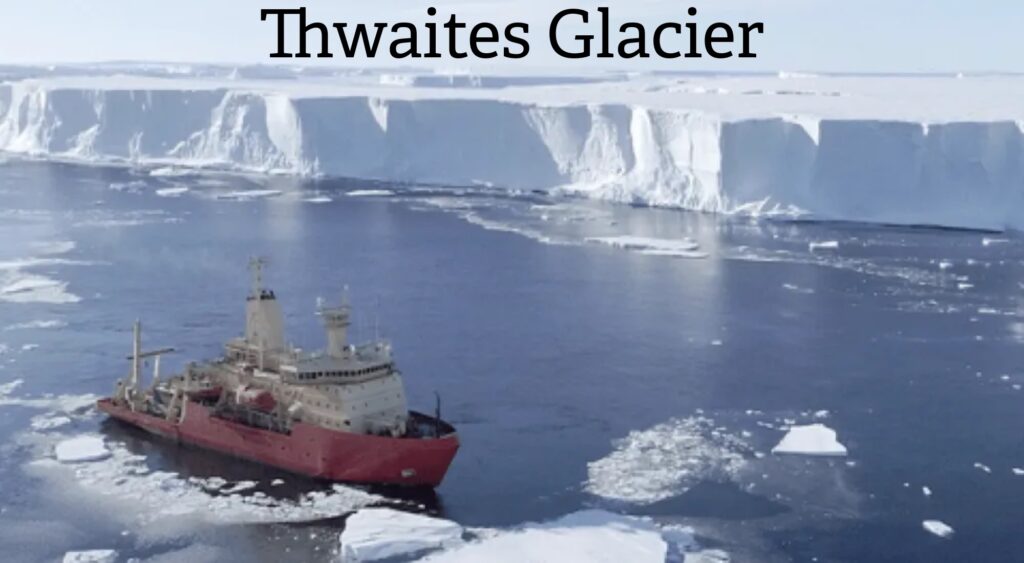
Scientists are warning that the so-called “Doomsday Glacier”, known as Thwaites Glacier, could soon lose the last remaining ice shelf that has been slowing its advance into the ocean.
The development would not trigger an immediate disaster for Florida’s Gulf Coast. Residents of Naples and Marco Island will not wake up to flooded streets or submerged homes because of a single event in Antarctica.
But experts say it is another sign that sea levels could rise more quickly in the decades ahead.
Thwaites Glacier is often described as one of the most important glaciers on Earth because of its size and location. The glacier already contributes to global sea-level rise, and scientists fear that if it destabilises further, it could accelerate the loss of ice across parts of West Antarctica.
For communities such as Naples and Marco Island, the concern is not next year — but the years and decades that follow.
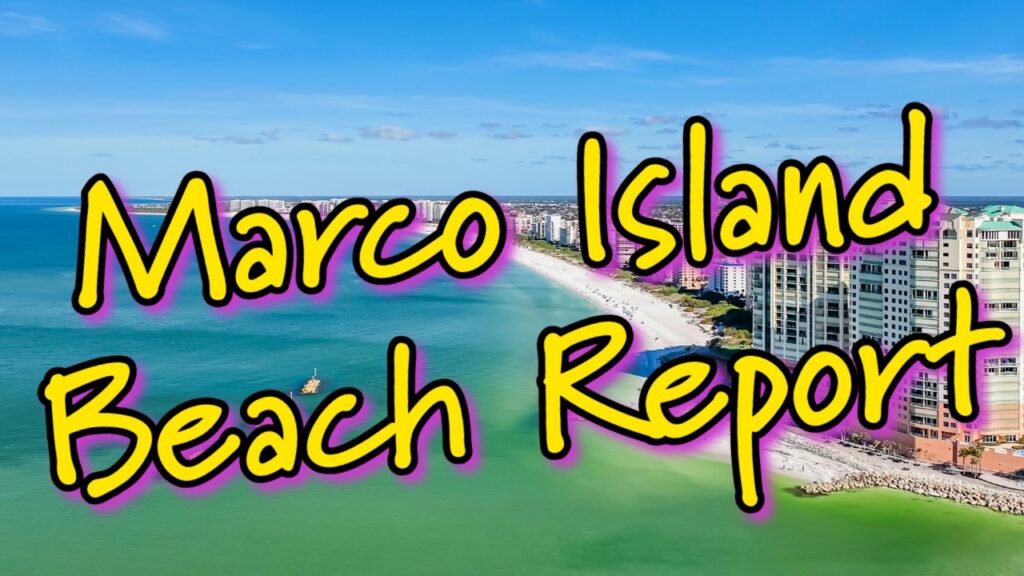
Higher sea levels mean storm surges can reach further inland during hurricanes. Beaches may erode more quickly. Areas that currently experience occasional flooding during exceptionally high tides could begin seeing water more frequently.
The impact on waterfront property owners could be significant.
Insurance costs, already rising across Florida, may face additional pressure. Local governments could be forced to invest more heavily in drainage systems, seawalls and beach renourishment projects. Homeowners may eventually need to elevate properties or strengthen flood defences.
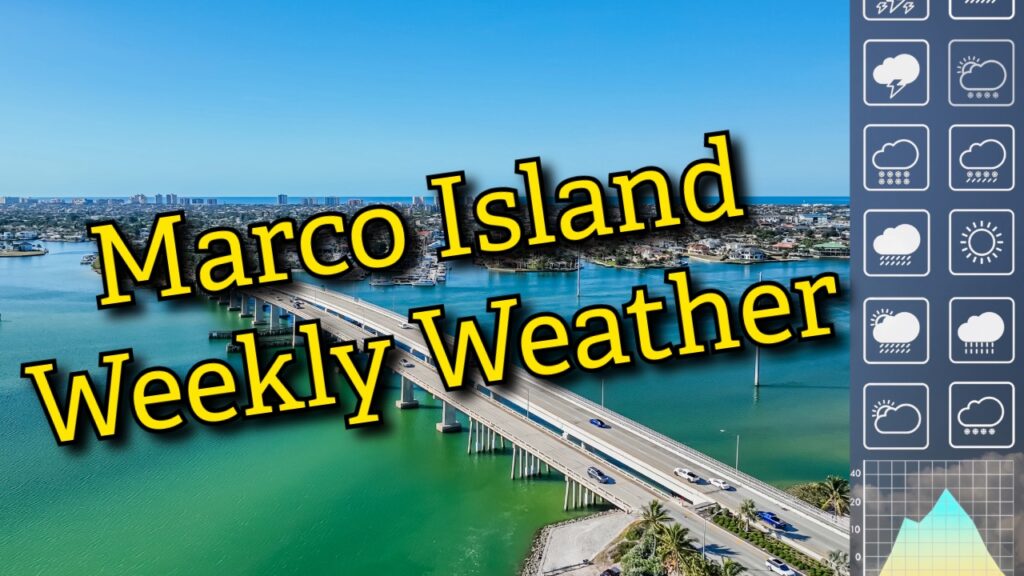
Marco Island is particularly exposed because it is a low-lying barrier island surrounded by the Gulf of Mexico, bays and an extensive canal network. Many of its most desirable homes sit directly on the water.
Naples faces similar challenges along its beachfront and bayfront communities, where property values are closely tied to access to the coast.
None of this suggests an imminent collapse of the local housing market. In fact, Southwest Florida remains one of the most sought-after coastal regions in the United States.
However, the warning from Antarctica serves as a reminder that the future of Florida’s coastline will depend not only on the hurricanes that form in the Gulf of Mexico, but also on changes taking place at the far ends of the Earth.
The glacier may be nearly 9,000 miles away, but the long-term consequences of what happens there could eventually be felt on the beaches of Naples and along the waterfronts of Marco Island.