📱 “Lulu’s Law”: Shark attack survivor sparks push for emergency mobile alerts across US beaches
It started, as these things so often do, with a tragedy on a sunny beach and a question that now echoes through Washington: why didn’t people know in time?
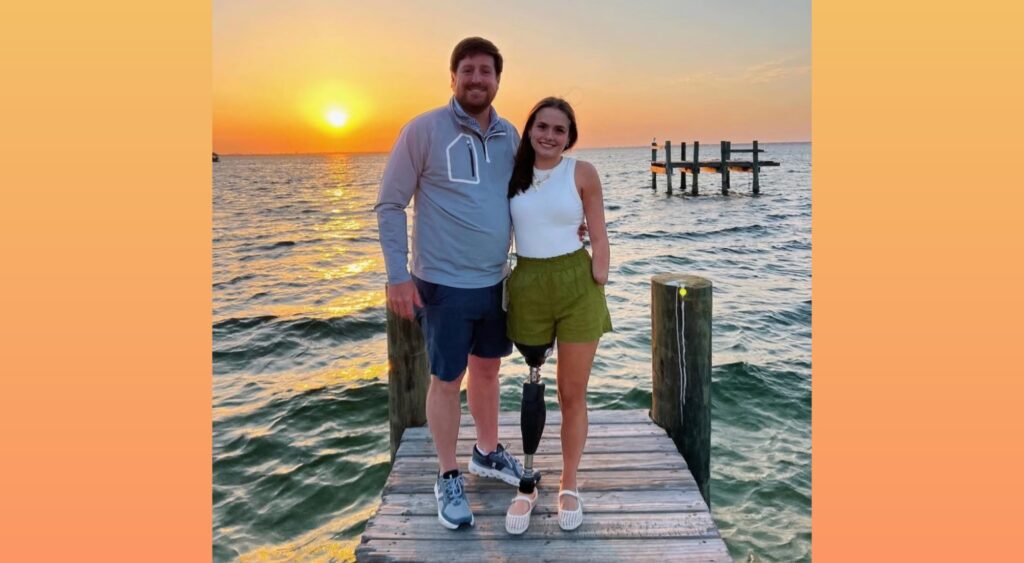
Lulu Gribbin, the teenager who survived a devastating shark attack off Florida’s Gulf Coast, has now inadvertently become the face of a new federal push to modernise America’s emergency warning system — and it could change the way beachgoers are alerted forever.
Because in the land of the free, even the ocean now comes with a push notification.
⚠️ From beach horror to Capitol Hill
Gribbin’s ordeal in 2024 was already harrowing enough. But what followed has given lawmakers something sharper to bite into than any committee hearing usually delivers.
She later learned there had been another shark attack nearby before hers — information that never reached the public in real time.
And in Washington, that gap has become the argument.
Now a bipartisan proposal — already nicknamed “Lulu’s Law” — aims to expand the Wireless Emergency Alert (WEA) system so it can send shark attack warnings directly to mobile phones in affected coastal zones.
In plain terms: your phone could soon buzz faster than a lifeguard can shout “get out of the water.”
📲 How the system would work
If approved, the legislation would:
Allow federal emergency alerts to include confirmed shark attack incidents
Push notifications directly to mobile phones near affected beaches
Function similarly to AMBER Alerts, but for immediate public safety risks in the ocean
Supporters say it’s about speed. Critics say it risks turning the American coastline into a notification feed.
🏛️ Washington responds — cautiously
The bill has been introduced in Congress and is now working its way through the usual political currents — slow, unpredictable, and occasionally shark-infested in their own right.
A companion measure in the Senate mirrors the House proposal, both aiming to empower the FCC to broaden the emergency alert categories.
It’s a classic Washington moment: technology racing ahead, law trying to catch up, and everyone suddenly debating how many alerts are too many.
🌊 A serious question beneath the politics
Behind the headlines and legislative language lies a simple idea: information saves lives.
Supporters argue that if a shark attack happens on one stretch of beach, the next group of swimmers deserves to know before they step into the surf.
Opponents warn of “alert fatigue” — the modern condition where people ignore everything because their phones never stop shouting.
And somewhere between those two positions lies the uncomfortable truth: the ocean doesn’t come with warnings, but smartphones might soon try to provide them anyway.
🧭 Bottom line
What began as one teenager’s survival story is now shaping a national debate about how far emergency alerts should go — and whether the public wants their beach days interrupted by government-issued shark warnings.
In other words: in 2026 America, even the sea may soon come with a notification setting.
Lulu Gribbin, Lulu’s Law, shark attack Florida, emergency mobile alerts, Wireless Emergency Alert system, FCC shark alerts, beach safety USA, Florida Panhandle shark attack, AMBER Alert expansion, US Congress legislation 2026, coastal safety alerts, mobile phone emergency notifications, Sky News style article, Jon Craig style news, shark attack warning system