South Florida Heat Turns Deadly: World Cup Fans Collapse, Child Dies in Hot Car
South Florida’s Heat Is Becoming the Story Nobody Wanted to Tell
The football was supposed to be the headline.
Instead, as World Cup crowds poured into South Florida this week, paramedics found themselves treating spectators overwhelmed by an opponent nobody could see: the heat.
One fan after another collapsed as soaring temperatures combined with suffocating humidity to create conditions that doctors say can turn dangerous in minutes. Water stations became just as important as stadium entrances, while emergency crews moved quickly through the crowds treating dehydration and heat exhaustion.
But away from the excitement of the tournament came a tragedy that has cast an even darker shadow over South Florida’s summer.
An 18-month-old child died after being left inside a parked vehicle for several hours in Plantation.
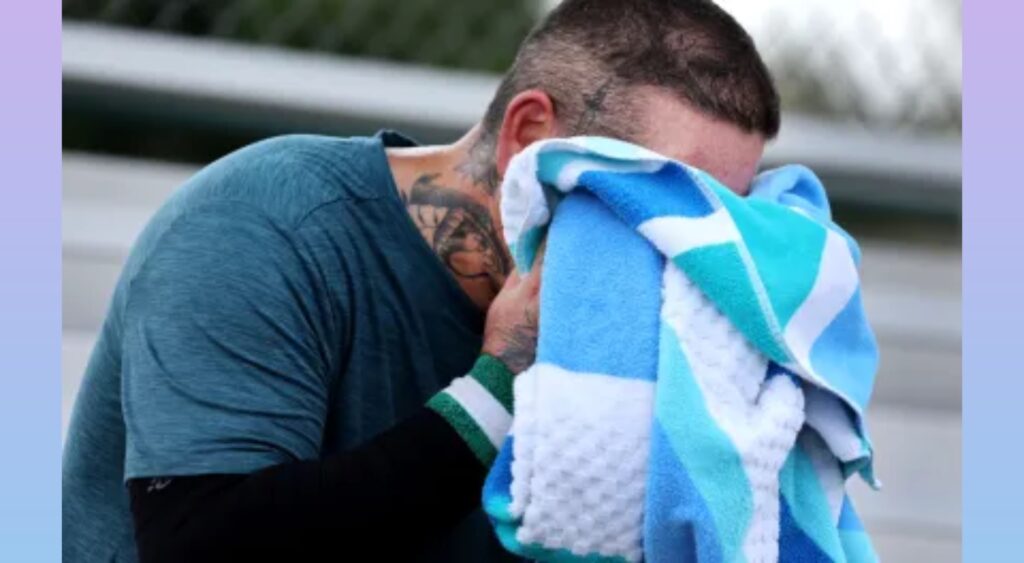
Police say the child’s father believed he had dropped the toddler at daycare before driving to work. The mistake was only discovered when he returned to his vehicle later that day.
By then, it was too late.
The heartbreaking case is under investigation, but it has once again highlighted one of the most devastating consequences of Florida’s relentless summer climate.
Outside temperatures reached the mid-90s, but the real danger came from the humidity. Together they pushed the heat index above 100 degrees, creating conditions where the inside of a parked car can become deadly in a remarkably short period of time.
Medical experts warn that vehicle interiors can exceed 120 degrees within minutes, even with the windows cracked open. Children are especially vulnerable because their bodies heat up significantly faster than adults, leaving very little time before heatstroke becomes life-threatening.
The same weather pattern has challenged World Cup organisers throughout the week.
Thousands of supporters—many visiting Florida for the first time—have underestimated just how quickly the subtropical climate can overwhelm the body. Long walks to stadiums, extended periods in direct sunshine and high humidity have combined to produce a steady stream of heat-related medical emergencies.
Doctors continue to urge residents and visitors alike to drink water regularly, seek shade whenever possible, avoid strenuous activity during the hottest part of the afternoon and, above all, never leave a child or pet inside a parked vehicle—even for a moment.
For many people, Florida’s sunshine is part of its appeal.
This week has been a reminder that the same sunshine, when combined with extreme humidity, can become one of the state’s greatest hazards.
The World Cup will continue.
So will the summer.
And officials hope the lessons from this week’s emergencies—and one family’s unimaginable loss—will prevent more headlines no one wants to read.
South Florida heat, Florida weather, heat advisory, World Cup 2026, FIFA World Cup, heat exhaustion, heatstroke, hot car safety, child safety, Florida summer, Broward County, Plantation Flo