Two Female Panthers Die in Seven Days. For Florida’s Rarest Big Cat, That’s More Than a Statistic.
Collier County, Florida — There is an uncomfortable arithmetic to saving an endangered species. Every death matters. Some matter more than others.
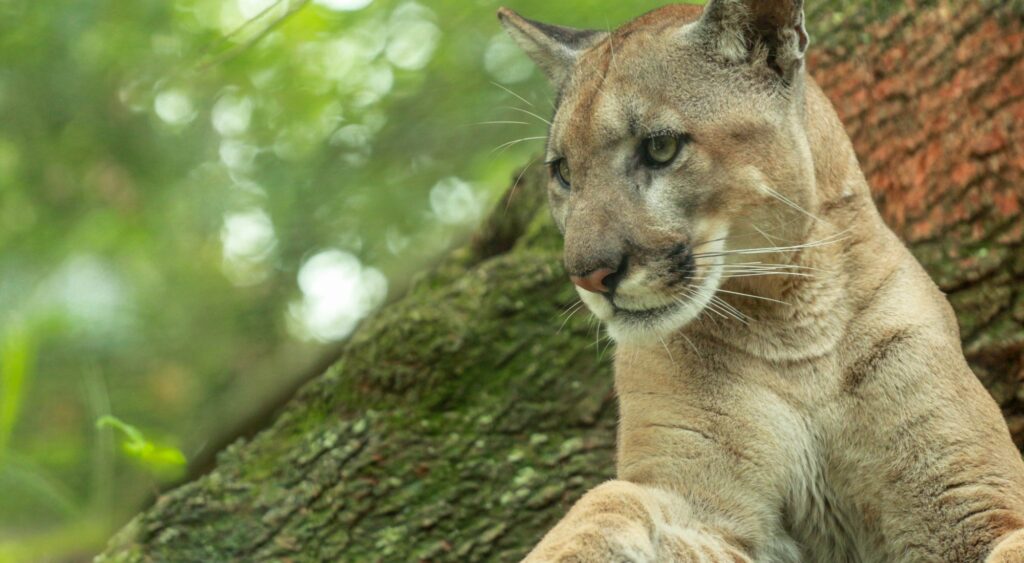
In the space of just one week, two young female Florida panthers—the very animals needed to secure the species’ future—were killed on Collier County roads.
According to the Florida Fish and Wildlife Conservation Commission’s Panther Pulse database, a three-year-old female was found dead on June 19 along County Road 846, about 2.7 miles west of County Line Road. Seven days later, another female, aged just two, was killed on State Road 29, less than a mile south of Oil Well Park Road.
Both died after being struck by vehicles.
On paper, they become numbers nine and ten in this year’s mortality figures.
But the numbers tell a more troubling story.
Every one of the ten documented Florida panther deaths in 2026 has involved a vehicle. Six of those animals were female.
For a species still clinging to survival, that statistic carries real weight.
Female panthers reach breeding age between roughly 18 months and two-and-a-half years. They typically raise one to four kittens alone, investing up to two years before producing another litter.
In other words, these were not simply young animals roaming the Everglades. They were entering the most important stage of their lives—the point at which they could have helped rebuild one of the world’s smallest populations of wild big cats.
It raises an unavoidable question.
How many breeding females can Florida afford to lose before recovery begins to move backwards rather than forwards?
The answer is one wildlife managers have been trying to avoid for decades.
Conservation efforts have helped pull the Florida panther back from the brink of extinction. Wildlife crossings, roadside fencing and habitat protection have all improved the species’ prospects. Yet the greatest threat remains stubbornly familiar.
Roads.
As Southwest Florida continues to grow, more homes, more vehicles and more development are pushing ever closer to panther habitat. The result is increasingly predictable: more encounters between wildlife and traffic—and too often, another entry in the Panther Pulse database.
The deaths this week are unlikely to be the last.
For drivers travelling through Collier County’s panther country, warning signs are easy to overlook. For the Florida panther, the consequences are impossible to escape.
The challenge facing conservationists isn’t simply protecting an endangered species.
It’s ensuring that Florida’s most iconic predator has somewhere safe left to cross the road.
Florida panther, Florida panther deaths, Collier County, endangered species, wildlife, Florida Fish and Wildlife Conservation Commission, FWC, Panther Pulse, SR29, CR846, vehicle collisions, Southwest Florida, conservation, Marco Island News, Naples News