Sea Turtles Face New Test on Collier Beaches as Sargassum, Storms Threaten Strong 2026 Season
NAPLES, Fla. — Collier County’s beaches are in the thick of another sea turtle nesting season, and so far the numbers look promising — even as a record bloom of sargassum seaweed and an active tropical system threaten to complicate things before the season winds down this fall.
As of mid-June, wildlife monitors had counted 837 nests along the county’s 22.5 miles of monitored beachfront, with Keewaydin Island alone responsible for 233 of them. That pace, biologists say, is roughly in line with last year at the same point in the season — a good sign after 2025 turned out to be one of the strongest years for loggerhead nesting Collier County has seen in recent memory.
A record-chasing 2025
Final tallies for the 2025 season varied depending on how each report counted the shoreline and the exact cutoff date, but the story was the same across the board: loggerheads had a banner year. County beaches were credited with more than 2,000 nests by the time the season closed, with Keewaydin Island — a barrier island south of Naples that consistently produces some of the county’s highest nest densities — again leading the way with 558 nests on its own. Other tallies put the county total closer to 1,200 nests measured across a narrower stretch of beach, but even the more conservative figures had researchers describing the season as coming close to breaking local records.
This year’s first nest was laid in late April, a loggerhead discovered on Barefoot Beach, kicking off what runs as an official nesting season from roughly May through October along Florida’s Gulf Coast.
Sargassum and storms complicate the picture
But 2026 is bringing a complication that hasn’t loomed this large in years past: sargassum. The University of South Florida’s Optical Oceanography Lab is forecasting a record-breaking bloom of the brown, free-floating seaweed this summer, with the mats already reaching an estimated 30 metric tons by late May and expected to peak in June or July. Western Florida, southeast Florida, the Florida Keys and much of the Caribbean are all considered at elevated risk for heavy inundation, though how badly any single beach is hit depends on local currents and wind.
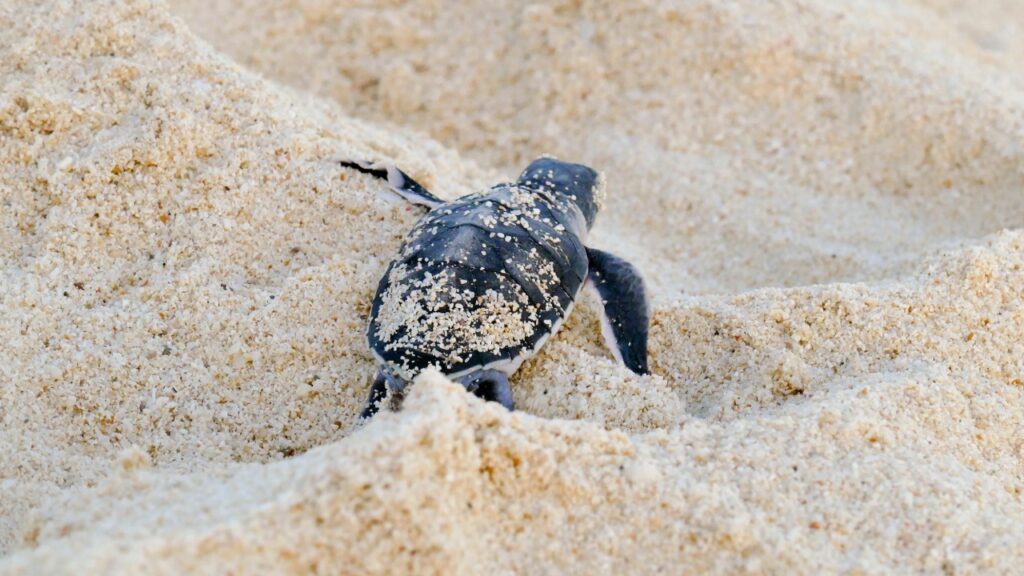
The seaweed poses a threat at both ends of the nesting process, said David Godfrey, executive director of the Sea Turtle Conservancy. Thick sargassum mats can deter nesting females from coming ashore in the first place, and for nests that do get laid, hatchlings emerging weeks later can become trapped trying to claw their way through piles of the stuff on their short, critical crawl to the water.
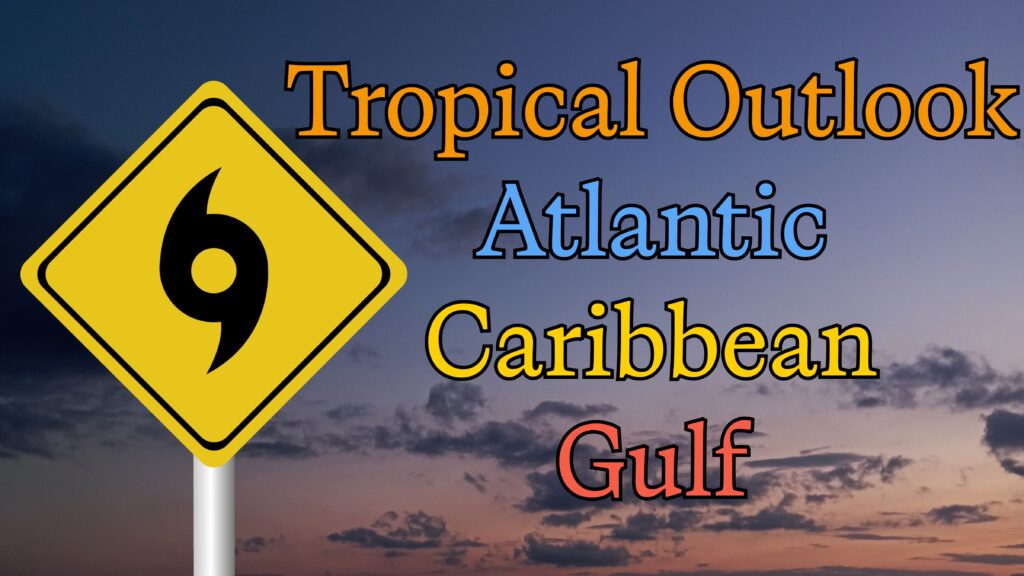
Adding to the pressure, Tropical Storm Bertha has pushed higher tides and stronger wave action onto Collier beaches this week, putting existing nests at risk of washing out just as the peak of the season approaches. Nearby Sanibel and Captiva islands have already felt the season’s toll: 53 nests there were raided by coyotes, and another 19 were lost to high-tide washouts, according to seasonal tracking data. No comparable large-scale losses have been reported in Collier County so far, but monitors are watching closely as Bertha moves through.
Protecting nests through the fall
Sea turtle nests along Collier County’s beaches — including popular stretches in Naples, Marco Island and Vanderbilt Beach — are marked and monitored throughout the season by Collier County Parks and Recreation staff and a network of trained volunteers, part of a decades-long conservation effort carried out under state and federal protections. Loggerheads are the dominant species nesting locally, though green sea turtles and, more rarely, Kemp’s ridleys also use the area’s beaches.
Beachgoers can help protect this year’s nests by filling in holes and flattening sandcastles before leaving the beach, removing chairs and equipment overnight, and keeping beachfront lighting off or shielded — disoriented hatchlings drawn toward artificial light instead of the moonlit horizon are one of the leading causes of hatchling deaths on developed coastlines. Residents who spot a disturbed nest, an injured turtle, or a hatchling that appears to be struggling are encouraged to contact Collier County’s sea turtle protection program or the Florida Fish and Wildlife Conservation Commission’s wildlife hotline rather than intervening directly.
With several months of nesting and hatching still ahead, county officials say the true measure of the 2026 season — and whether it can match 2025’s strong showing — won’t be clear until the last nests hatch out this fall.